 Reviews

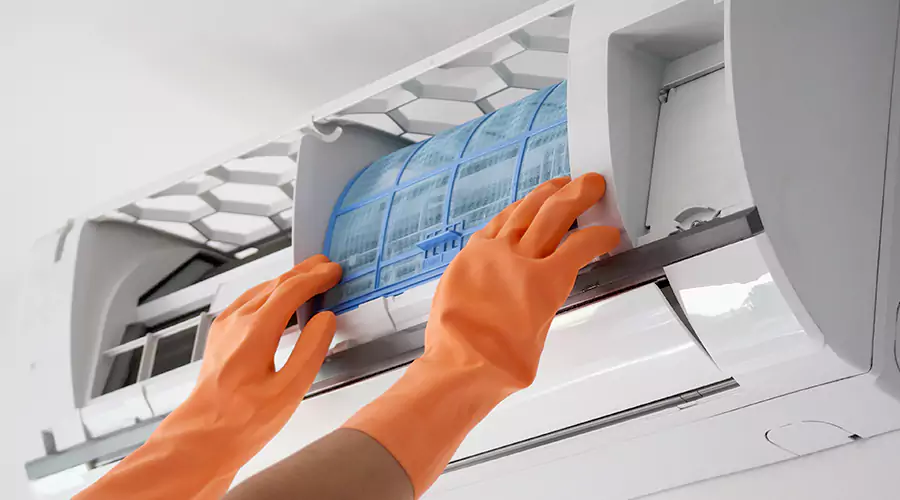
Dirty coils reduce your HVAC system’s ability to transfer heat. When buildup covers the coil surface the system must run longer to cool your home. This leads to higher energy use and weaker cooling performance when AC coil cleaning is delayed. You may notice longer run times and uneven temperatures across rooms. Over time this added strain can damage key components like the compressor. Clean coils allow air to move freely and support efficient operation. Regular inspection and cleaning help prevent these issues. If your system runs longer than normal or struggles to cool properly coil condition should be checked by a technician.
What HVAC Coils Do?
Coils move heat between indoor and outdoor air. This process allows your system to cool your home. Both indoor and outdoor coils must stay clean to function properly.
How Heat Transfer Depends on Coil Condition?
A dirty evaporator coil reduces heat absorption from indoor air. A dirty condenser coil limits heat release outside. Both conditions slow the cooling process and reduce system effectiveness.
Why Dirty Coils Hurt Efficiency?
Efficiency depends on clean surfaces and proper airflow. Dirt blocks heat transfer and forces the system to work harder. This leads to longer run times and increased wear.
How Dirt Creates Resistance in the Cooling Process?
Good hvac efficiency requires direct contact between air and coil surfaces. Dirt acts as insulation that prevents heat exchange. Removing buildup helps restore normal operation.
Quick Guide to Dirty Coil Problems
Here is a simple table showing how dirty coils affect the system.
| Coil Problem | What It Can Cause | What Helps |
|---|---|---|
| Dust on indoor coil | Weak heat absorption | Coil inspection |
| Debris on outdoor coil | Poor heat release | Condenser cleaning |
| Blocked airflow | Longer run times | Filter and airflow check |
| Ice on indoor coil | Cooling loss | Professional diagnosis |
| Dirty coil surface | Lower efficiency | HVAC coil cleaning |
| Overworked system | More repair risk | Seasonal tune-up |
This table can help homeowners understand why coil care matters.
Reduced Cooling Performance
Cooling may feel weaker when coils are dirty. The system may run but fail to deliver strong cooling. This often appears during hot weather.
Why Cooling Output Drops With Dirty Coils?
Reduced cooling performance happens when heat transfer slows down. The system cannot remove heat efficiently. Cleaning coils helps restore cooling strength.
AC Not Cooling Properly
Persistent cooling issues may indicate deeper problems. Dirty coils are a common cause. The system may run without reaching the desired temperature.
How Coil Condition Limits Cooling Ability?
When ac not cooling properly occurs, heat exchange may be restricted. This prevents effective cooling. Inspection helps confirm if coils are the issue.
Frozen Evaporator Coil
Ice buildup can block airflow and stop cooling. This condition often results from restricted airflow or dirty coils. It can lead to further damage if ignored.
What Causes Coil Freezing in Cooling Systems?
A frozen evaporator coil may develop when dirt reduces airflow and lowers coil temperature. Moisture then freezes on the surface. Professional service is needed to resolve the issue safely.
Airflow Restriction
Air must move freely across coils for proper operation. Restricted airflow reduces system performance. This can affect multiple rooms.
How Airflow Issues Worsen Coil Problems?
An airflow restriction limits heat absorption and increases system strain. Dirty filters and blocked vents often contribute. Improving airflow supports better cooling.
High Energy Bills
Increased energy use often signals reduced efficiency. Dirty coils can cause the system to run longer. This leads to higher monthly costs.
Why Energy Use Increases With Dirty Components?
High energy bills may result from extended run time due to poor heat transfer. The system consumes more energy to achieve the same result. Cleaning coils helps reduce energy waste.
Why Coil Inspection Matters?
Regular inspection helps identify buildup early. This prevents larger performance issues. Hidden coils require professional evaluation.
What Technicians Look for During Inspection?
A coil inspection includes checking for dirt buildup and airflow issues and refrigerant performance. These factors affect efficiency. Inspection helps determine the right maintenance step.
HVAC Coil Cleaning
Cleaning removes buildup that limits performance. This helps restore system efficiency. Proper methods are important to avoid damage.
How Cleaning Improves System Operation?
HVAC coil cleaning restores heat transfer efficiency. Clean surfaces allow better airflow and cooling performance. Regular cleaning supports long term system health.
AC Coil Cleaning
Routine service often includes coil cleaning. This helps maintain cooling performance. It also supports system reliability.
When Coil Cleaning Should Be Scheduled?
AC coil cleaning is best done before peak cooling season. This ensures the system is ready for heavy use. Timely service helps prevent performance loss.
Professional Coil Cleaning
Professional service ensures safe and effective cleaning. Improper methods can damage coils. Expert care protects system components.
Why Professional Service Is More Effective?
Professional coil cleaning uses proper tools and techniques. This prevents damage to fins and internal parts. Trained technicians ensure thorough cleaning.
Condenser Maintenance
Outdoor units require regular care. Debris can block airflow and reduce efficiency. Simple maintenance helps maintain performance.
How to Keep the Outdoor Unit Clear?
Condenser maintenance includes removing leaves and dirt around the unit. Clear space improves airflow. Proper care supports better heat release.
Evaporator Coil Problems
Indoor coil issues affect both cooling and humidity. Problems may appear as reduced comfort. These issues often develop over time.
Signs That the Indoor Coil Needs Attention
Evaporator coil problems may include weak cooling or moisture buildup or odors. These signs indicate restricted performance. Inspection helps determine cleaning or repair needs.
HVAC System Cleaning
A clean system operates more efficiently. Dirt buildup affects multiple components. Regular cleaning improves performance.
Which Components Benefit From Cleaning?
HVAC system cleaning includes coils and filters and blower parts. Each component affects airflow and efficiency. Targeted cleaning helps maintain system function.
HVAC Maintenance and Tune-Ups
Regular hvac maintenance helps keep coils cleaner and reduces the chance of hidden problems. A seasonal hvac tune up may include coil checks, airflow testing, filter review, and electrical inspection.
Helpful maintenance steps include:
- Replace filters before they clog.
- Keep outdoor units clear of debris.
- Schedule service before summer.
- Watch for weak airflow.
- Call if cooling performance drops.
- Ask about coil condition during service.
These one-line steps can help protect cooling performance.
Cooling Efficiency and Breakdown Prevention
Good cooling efficiency depends on clean coils, proper airflow, and correct system operation. When coils stay dirty, the system may overwork and wear down faster.
Routine service can help prevent hvac breakdowns by reducing strain on major parts. Clean coils make it easier for the system to cool the home without running longer than needed.
Final Thoughts
Dirty coils can reduce comfort, increase energy use, and lead to larger HVAC problems. If your AC runs longer, cools poorly, freezes up, or raises your energy bills, the coils may need attention.
Schedule professional service before peak cooling season. With proper cleaning, inspection, and maintenance, your HVAC system can run more efficiently and keep your home more comfortable.